

What is Bean-To-Bar Chocolate?
Bean-to-bar chocolate is the art of crafting chocolate from scratch — from raw cacao bean to finished bar — without outsourcing any step of the process. Unlike mass-produced chocolate, a bean-to-bar chocolatier controls every decision: which origin to source, how long to ferment, how to roast, and how fine to grind. The result is artisan chocolate with an unmistakable sense of place, personality, and flavour nuance.
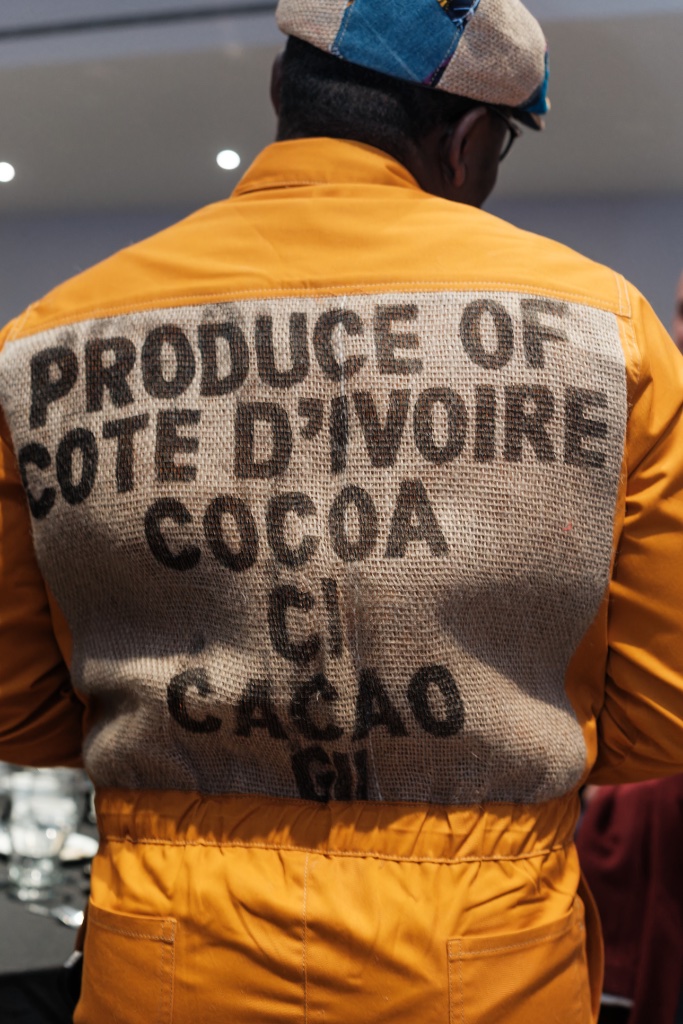
Where does chocolate come from? It all begins with the cacao fruit — a tropical crop grown close to the equator. The best cocoa beans in the world are sourced from countries like Peru, Ecuador, Madagascar, Côte d'Ivoire, Ghana, and Mexico. Each origin expresses a unique flavour terroir shaped by soil, climate, and farming practice.
Single origin chocolate means the cacao comes from one specific country, region, or even a single farm. This traceability is what separates ethical, artisan chocolate from commodity production — and it is at the very heart of the Bean-To-Bar Museum experience at Salon du Chocolat Toronto 2026.
How is Chocolate Made? — The Bean-To-Bar Journey
From cocoa fermentation to the final bar — discover every step of the artisan chocolate making process.
Harvesting the Cocoa Pod
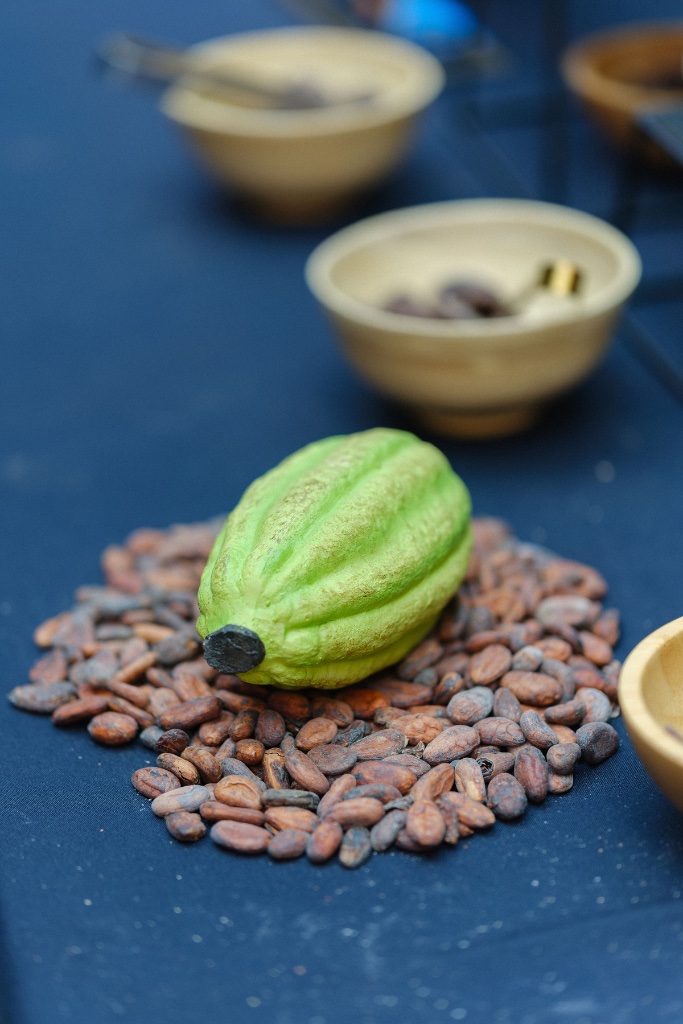
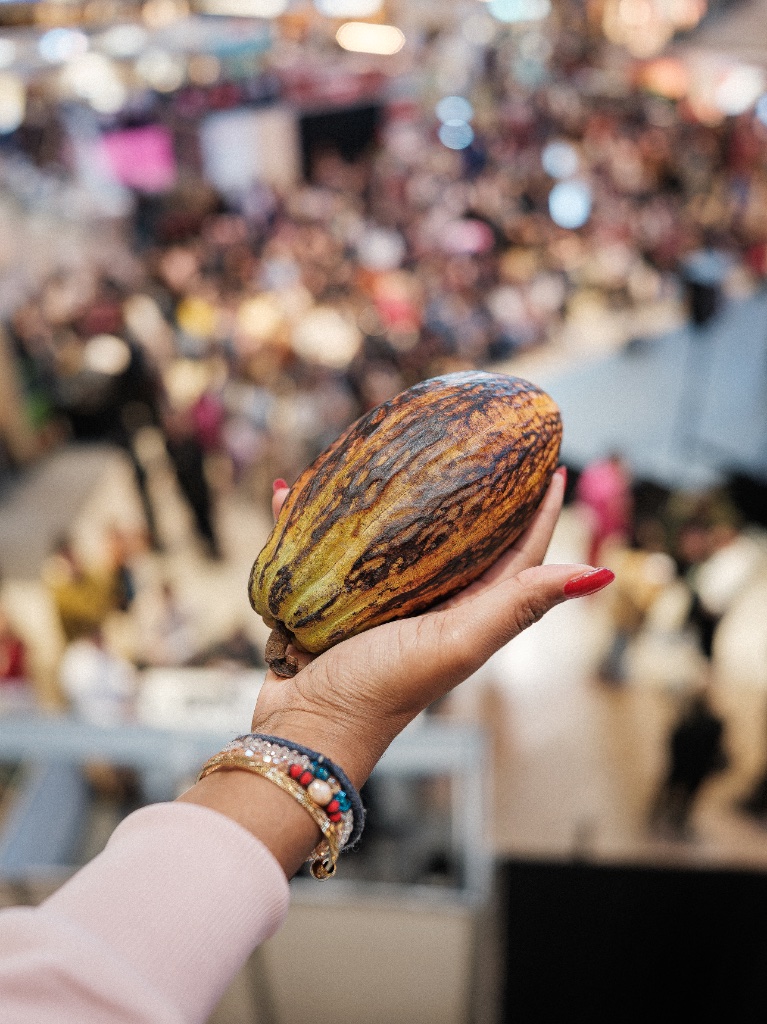
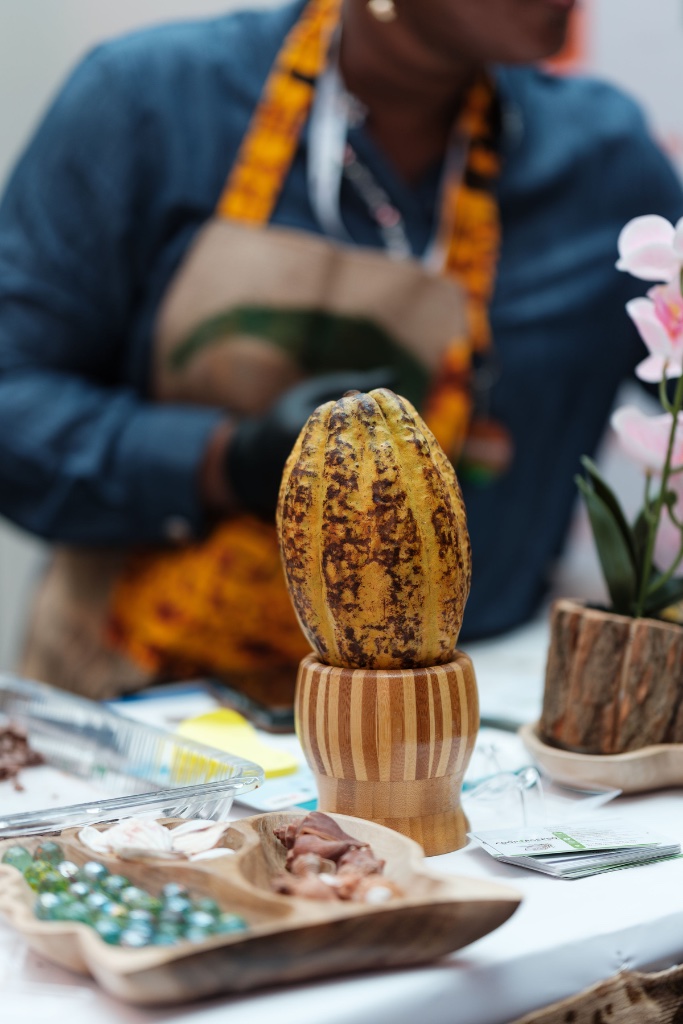
Chocolate begins with the Theobroma cacao tree — meaning 'food of the gods' — grown within 20° of the equator. The best cocoa beans in the world come from regions like Ecuador, Côte d'Ivoire, Peru, Madagascar, and Mexico. Ripe cocoa pods are hand-harvested twice a year, carefully split open to reveal 20–50 cream-coloured cacao beans surrounded by sweet white pulp.
Fermentation — The Critical Step
The cocoa fermentation process is what transforms raw cacao into the complex flavour precursors we associate with chocolate. Beans are piled in wooden boxes or under banana leaves for 5–7 days, where naturally occurring yeasts and bacteria convert the sugars in the pulp, generating heat and chemical reactions that develop the beans' full aromatic potential. No fermentation = no flavour.
Drying & Sorting
After fermentation, beans are sun-dried on raised beds for 1–2 weeks to reduce moisture to under 7%. They are then carefully sorted by hand to remove defective beans. The difference between chocolate types — from mild milk to intense dark — begins here, shaped by bean variety, origin, and fermentation quality.
Roasting & Winnowing
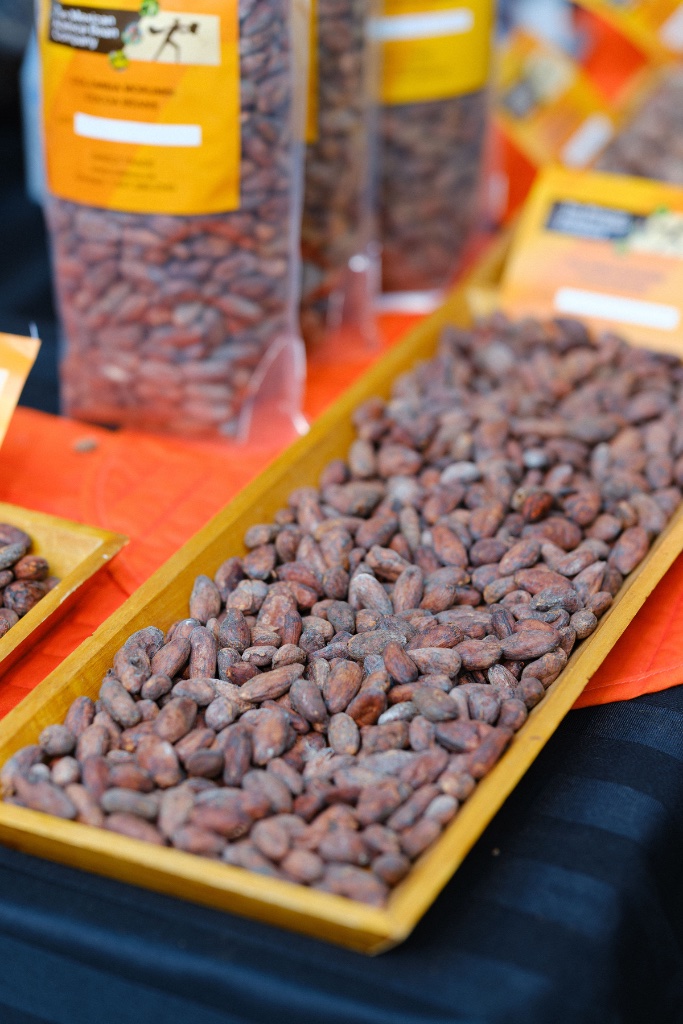
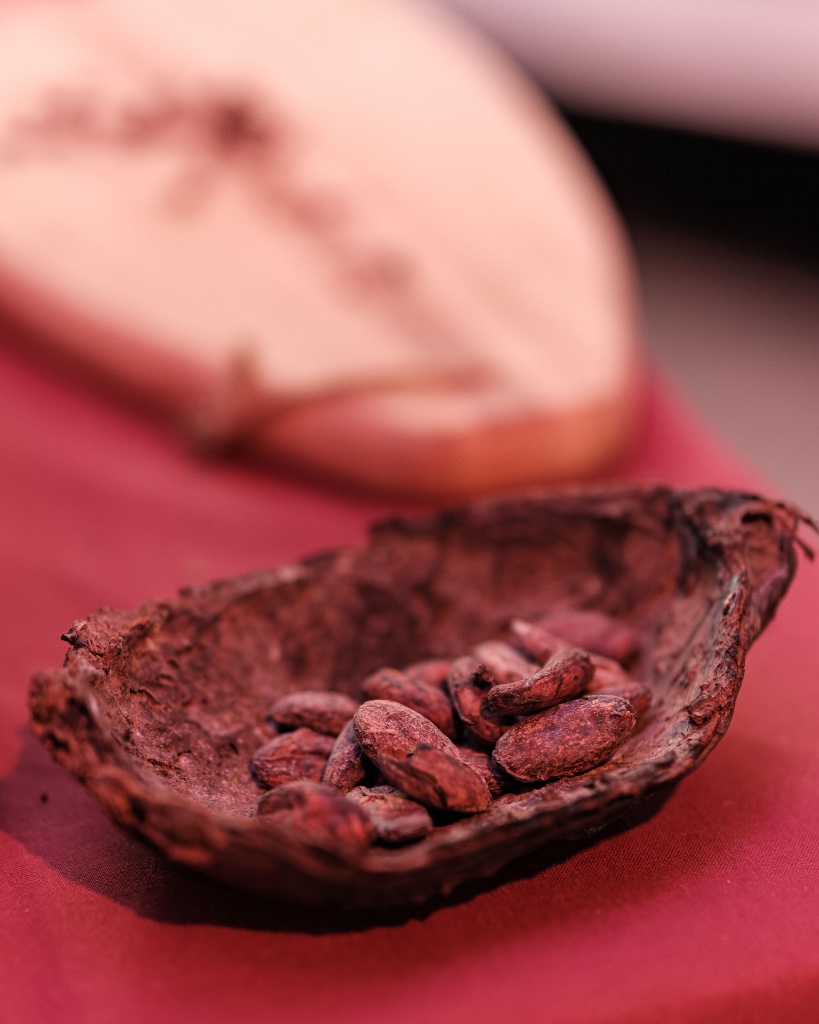
Like coffee, cocoa beans are roasted to unlock flavour. Time and temperature vary by origin and desired profile. After roasting, beans are cracked and winnowed — the outer shell removed — to yield cacao nibs, the pure chocolate ingredient. Understanding how to make artisan chocolate at home often starts right here.
Grinding & Conching
Nibs are ground into cacao mass (also called cocoa liquor), a thick paste of cocoa solids and cocoa butter. This is then refined further and 'conched' — kneaded for hours or days — to develop smoothness and mellow acidity. This is the heart of bean-to-bar chocolate making: slow, deliberate, and craft-driven.
Tempering & Moulding
Tempered chocolate has a perfect snap, sheen, and melt. The chocolate is carefully cooled and reheated to specific temperatures to align cocoa butter crystals. It is then poured into moulds and cooled to produce the final bar. Single origin chocolate meaning is fully expressed here — one origin, one story, one flavour.
3 TORONTO CHOCOLATIERS TO BE ANNOUNCED
The Bean-To-Bar Museum will feature 3 chocolatiers whose craft embodies the bean-to-bar philosophy — sourcing the best cocoa beans, mastering the cocoa fermentation process, and producing single origin artisan chocolate with pride and purpose. Their identities will be revealed soon. Stay tuned!
Featured Guests & Contributors
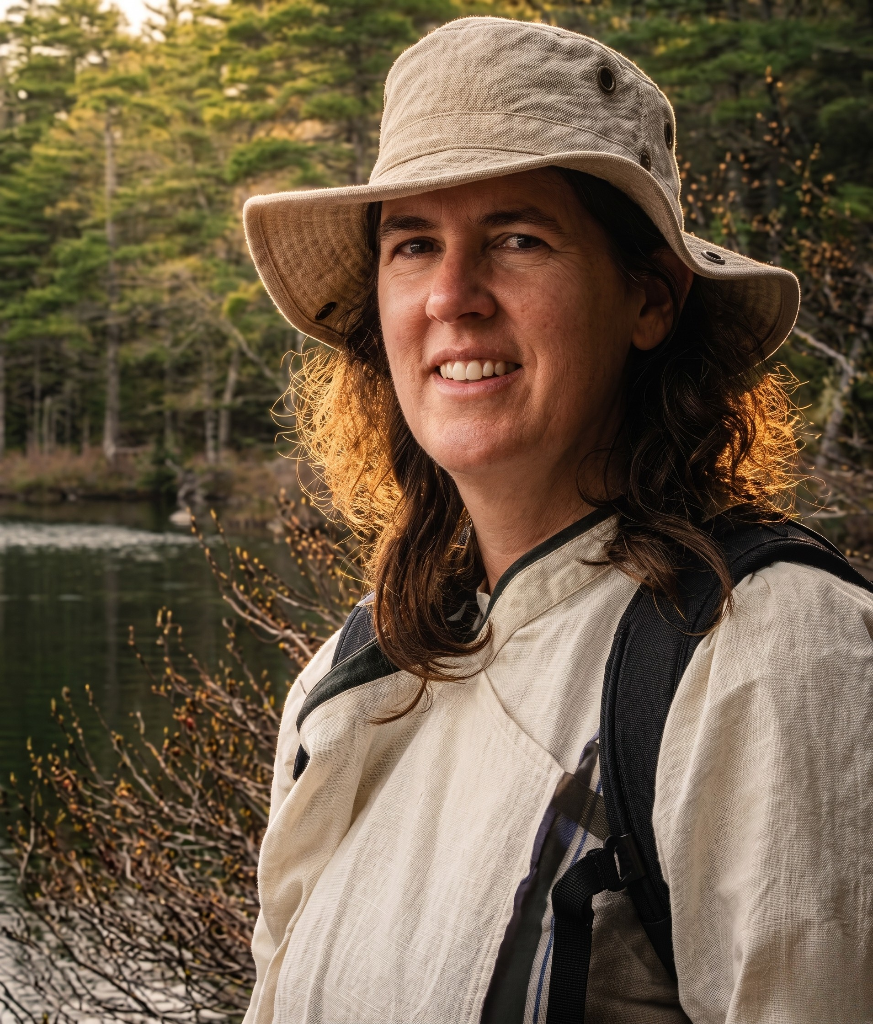
Karen Harper
Researcher, Professor & Chocolate Wrapper Collector
Karen Harper is an assistant professor, trainer, and union activist at Saint Mary's University in Halifax, Nova Scotia, Canada. Her scientific research focuses on vegetation patterns along forest edges and she hopes to study vegetation structure in cacao plantations. She teaches ecology, environmental science, and statistics, and plans to create a course on the geography of chocolate. Karen began her chocolate wrapper collection in Montreal in 2000 — a unique archive she will present with the artistic collaboration of her friend Andrée Clément, a fine-arts graduate and woodworking artisan. Together, they hope to spark passion and education around chocolate for visitors of all backgrounds.

Dr. Juan Marcelo Gómez
Founder, Institute of Innovation and Advanced Learning (IIAL)
Dr. Juan Marcelo Gómez is an esteemed leader in higher education, serving as the founder of the Institute of Innovation and Advanced Learning. His career spans decades of work in innovation, sustainability, professional certifications, and competency-based education, grounded in deep expertise in process improvement and aligning international standards with modern learning needs. Dr. Gómez holds advanced degrees including a post-doctoral degree in higher-education leadership. He will present photos and testimonies from cacao-growing regions, exploring fair trade chocolate explained through the lens of sustainability and education.
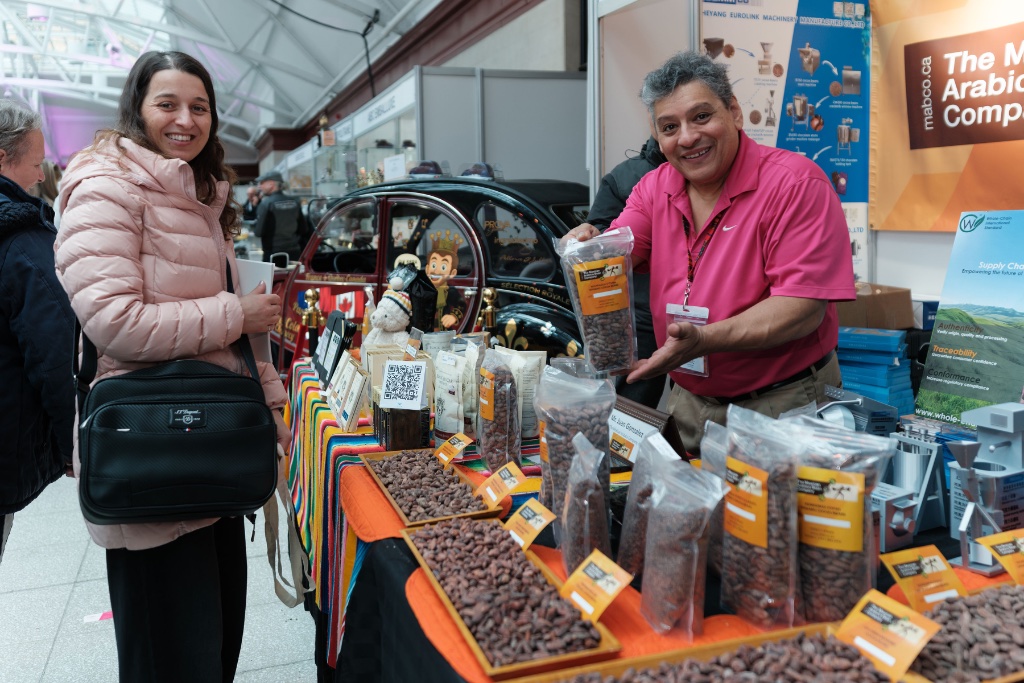
From Cacao Pod to Chocolate Bar
We value your privacy
We use cookies to improve your browsing experience and understand how our site is used. You can accept or decline non-essential cookies.